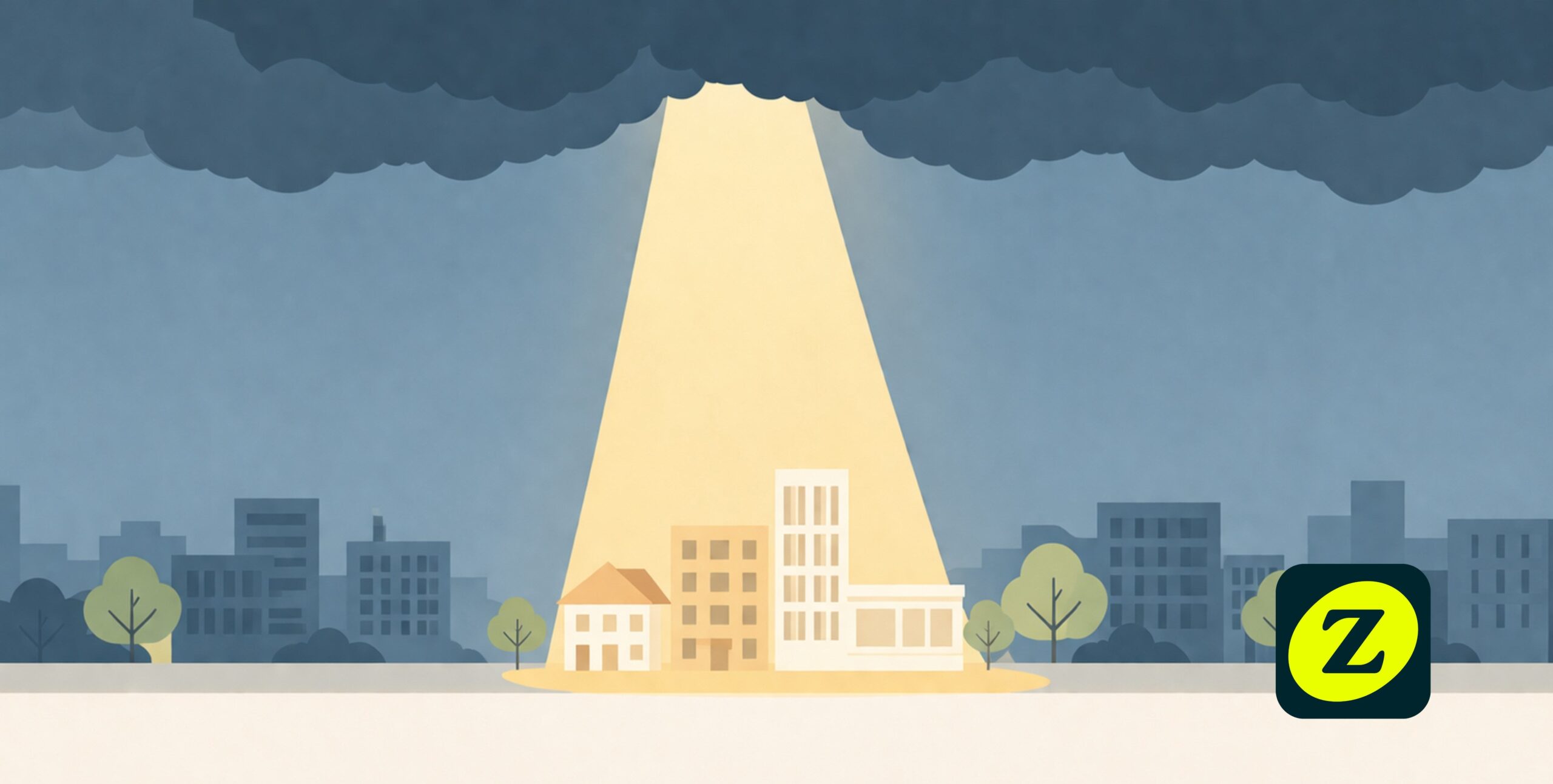
A sudden market drop. Rising interest rates. Political uncertainty. You scroll a little longer than usual, and before you know it, a sense of financial anxiety begins to build.
You are not alone. Many people feel unsettled when global events dominate the news. But while you cannot control world events, you can control how you respond to them financially.
Global events can influence economies, markets, and confidence. This can lead to periods of market volatility, where prices rise and fall more sharply than usual.
But headlines are designed to capture attention, not provide full context. Reacting quickly to short term news can sometimes lead to decisions that do not align with your long term goals.
Understanding what is within your control can help bring clarity.
A clear view of your income and expenses is one of the most powerful ways to reduce uncertainty.
Knowing what is essential and what is flexible allows you to make informed decisions, rather than reactive ones. Even a simple monthly breakdown can provide reassurance and direction.
Unexpected events can happen at any time, regardless of global conditions.
Having an emergency fund can provide a financial cushion and reduce the need to rely on borrowing or make rushed decisions. Many people aim to hold three to six months of essential expenses, although the right amount will depend on individual circumstances.
Starting small and building gradually can still make a meaningful difference.
When the world feels uncertain, it is helpful to return to your own plan.
Ask yourself:
What are my financial goals?
When will I need this money?
Has anything in my personal situation changed?
A well structured financial planning approach helps keep decisions aligned with your long term priorities, rather than short term noise.
If you are investing, it is natural to feel concerned during periods of uncertainty. However, reacting emotionally to short term movements can sometimes do more harm than good.
Every investment carries some level of investment risk. Understanding how much risk you are comfortable with, and how it aligns with your goals, is key.
For example:
• Money needed in the short term may require a different approach to long term investments
• A longer time horizon may allow for periods of fluctuation
Spreading investments across different assets, sectors, or regions is known as diversification.
While it does not eliminate risk, it can help reduce the impact of any single investment performing poorly.
Trying to predict market movements is extremely difficult, even for professionals.
A long term investing approach focuses on staying committed to a plan over time, rather than reacting to daily news.
Some investors also use regular contributions, sometimes referred to as pound cost averaging, to reduce the pressure of timing the market. This approach does not guarantee positive returns but can help manage emotional decision making.
Periods of uncertainty can also lead to an increase in investment scams.
Be cautious of:
• Unsolicited contact about investment opportunities
• Pressure to act quickly
• Promises of high or guaranteed returns
Taking time to verify information and seek guidance can help protect both your finances and your confidence.
Financial concerns are not just about numbers. They can affect how you feel day to day.
Limiting constant exposure to news, setting specific times to review finances, and focusing on practical actions can support your mental wellbeing.
Even small steps can create a sense of control.
While global events can feel overwhelming, your financial life is shaped more by consistent, thoughtful decisions than by any single headline.
Focusing on:
• Your cash flow
• A reliable emergency fund
• Clear financial planning
• A structured investment approach
can help you navigate uncertainty with greater confidence.
This article is for general information only and does not constitute personal financial advice or a personal recommendation. The value of investments can fall as well as rise, and you may get back less than you invest. Past performance is not a reliable indicator of future results.
The suitability of any financial decision will depend on your individual circumstances. If you are unsure, you may wish to seek advice from a regulated financial adviser.
Instagram: @ZomiWealth
LinkedIn: Zomi Wealth
X (formerly Twitter): @ZomiWealth
Facebook: Zomi Wealth


Subscribe to our newsletter for exclusive tips, expert advice, and the latest updates from Zomi Wealth—delivered straight to your inbox.
“Zomi Wealth’’ is a trading name of Zomi Group Limited who are authorised and regulated by the Financial Conduct Authority (FCA), FRN 149309. Past performance is not indicative of future returns. An investor may get back less than the amount invested. Information on past performance, where given, is not necessarily a guide to future performance. The capital value of units in the fund can fluctuate and the price of units can go down as well as up and is not guaranteed. The opinions and views expressed in this newsletter may not necessarily reflect the views of Zomi Group l Limited or its affiliates. The information provided in this newsletter is for informational purposes only and does not constitute a recommendation from any Zomi Group Limited entity to the recipient. Zomi Group Limited is not providing any financial, economic, legal, investment, accounting, or tax advice through this newsletter or to its recipient. Certain information contained in this newsletter constitutes “forward-looking statements,” and there is no guarantee that these results will be achieved. Zomi Group Limited has no obligation to provide any updates or changes to the information in this newsletter. Zomi Group Limited always recommends that the recipient take independent financial advice. Alternative investments often engage in leverage and other investment practices that are extremely speculative and involve a high degree of risk. Such practices may increase the volatility of performance and the risk of investment loss, including the loss of the entire amount that is invested. These investments are usually highly illiquid and generally not transferable without the content of the sponsor.
Investing in cryptocurrency is highly speculative and involves significant risk to capital, as its value is extremely volatile and can fluctuate widely in short periods. It is not regulated by the Financial Conduct Authority, meaning investors may not have access to financial protections, including the Financial Services Compensation Scheme (FSCS) or the Financial Ombudsman Service. There is also a risk of loss from fraud, cybersecurity breaches, or operational failures within cryptocurrency platforms. Investors should carefully consider whether they can afford to lose the entirety of their investment.
Know more about Zomi Wealth, how we invest, our plans and how to be a part of Zomi Wealth. Contact Us!