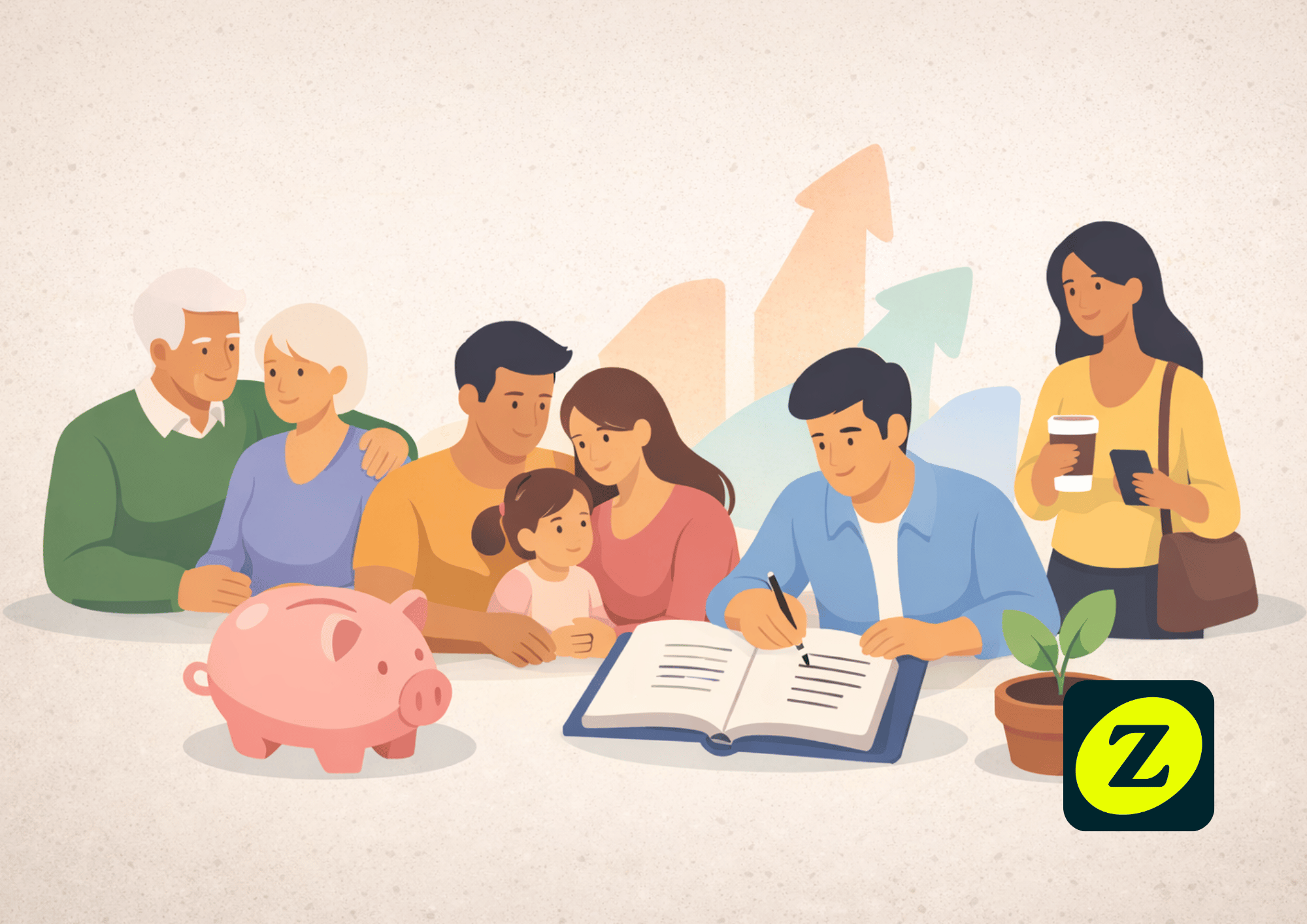
Most people start their financial journey with saving. A savings account feels safe, familiar, and easy to understand. But at some point, many people pause and ask a bigger question. Is simply saving enough for the life I want to live?
Sarah is in her early thirties. She works full time, pays her bills on time, and has built a modest savings pot for emergencies. Her money sits in the bank, untouched most months. She feels responsible and organised. Yet when she thinks about buying a home, supporting a future family, or even retiring comfortably, something feels missing. Her savings are not growing in a meaningful way.
This is where investing often enters the conversation.
At its core, investing is about giving your money the opportunity to grow over the long term. Unlike short term saving, investing usually involves putting money into assets such as funds, shares, or bonds, with the understanding that values can rise and fall.
Rather than trying to predict the perfect moment to invest, many people focus on time in the market. Historically, markets have shown growth over long periods, although this is never guaranteed and past performance is not a reliable indicator of future results.
For someone like Sarah, investing is not about quick wins. It is about allowing small, regular contributions to build gradually over years, supporting future goals that feel far away today.
One of the less obvious reasons people consider investing is inflation. Over time, the cost of living tends to rise. This means that money sitting in cash may buy less in the future than it does today.
Think of it like this. Ten years ago, a weekly food shop cost noticeably less than it does now. If your money does not grow at a pace that at least keeps up with rising prices, its real value can slowly erode.
Investing can offer the potential for growth that may outpace inflation over the long term, although this involves risk and values can go down as well as up.
People invest for many reasons, and those reasons often change with life stages.
A young professional might invest to build long term financial independence. A parent may invest to support future education costs or family security. Someone approaching retirement may focus on balancing growth with stability to support income needs later in life.
For example, James and Aisha started investing after the birth of their first child. They were not aiming for anything dramatic. They simply wanted to put money aside regularly so future costs would feel less overwhelming. Over time, investing became part of their routine, not something they worried about daily.
Investing always involves risk. Values can fall, markets can be volatile, and returns are never guaranteed. This is why understanding your own attitude to risk and capacity for loss is essential.
Not all investments are the same, and what feels comfortable for one person may feel stressful for another. Some people prefer steadier approaches, while others are comfortable with higher levels of fluctuation in pursuit of growth.
Education and guidance can help people make informed decisions that align with their goals and comfort levels, rather than reacting emotionally to short term market movements.
A common misconception is that investing is only for people with large sums of money or specialist knowledge. In reality, many people start with small amounts and build confidence over time.
Modern investing often focuses on diversification and long term planning rather than picking individual winners. The aim is not to beat the market, but to participate in it in a way that fits your life.
Sarah eventually realised that investing was not about being brave or clever. It was about being intentional. She still kept cash savings for emergencies, but investing gave her a sense of direction and purpose for her longer term plans.
Investing is not a replacement for saving, nor is it suitable for every short term need. It is one part of a broader financial picture that includes budgeting, protection, and planning. Teaching children about money is not about raising future experts. It is about giving them confidence. Confidence to ask questions. Confidence to plan. Confidence to understand that money is a tool, not a measure of worth.
Before investing, it is important to consider your goals, time horizon, and personal circumstances. Seeking regulated advice can help ensure decisions are based on understanding rather than assumptions.
If you are thinking about how investing might fit into your financial journey, taking time to learn and ask questions is a sensible first step. With the right approach, investing can be less about uncertainty and more about clarity and confidence over time.
If you would like support exploring your options or understanding how investing could align with your goals, speaking with a regulated financial adviser can help you make informed decisions that feel right for you.
This article is for information purposes only and does not constitute financial advice or a personal recommendation. The value of investments can go down as well as up, and you may get back less than you invest. Past performance is not a reliable indicator of future results.
Tax treatment depends on individual circumstances and may be subject to change in the future. Investment decisions should be based on your own financial objectives, attitude to risk, and personal circumstances.
If you are unsure whether an investment is suitable for you, seeking advice from an authorised and regulated financial adviser may be appropriate.
For more retirement planning insights, market updates, and tax-saving tips, follow Zomi Wealth on: